
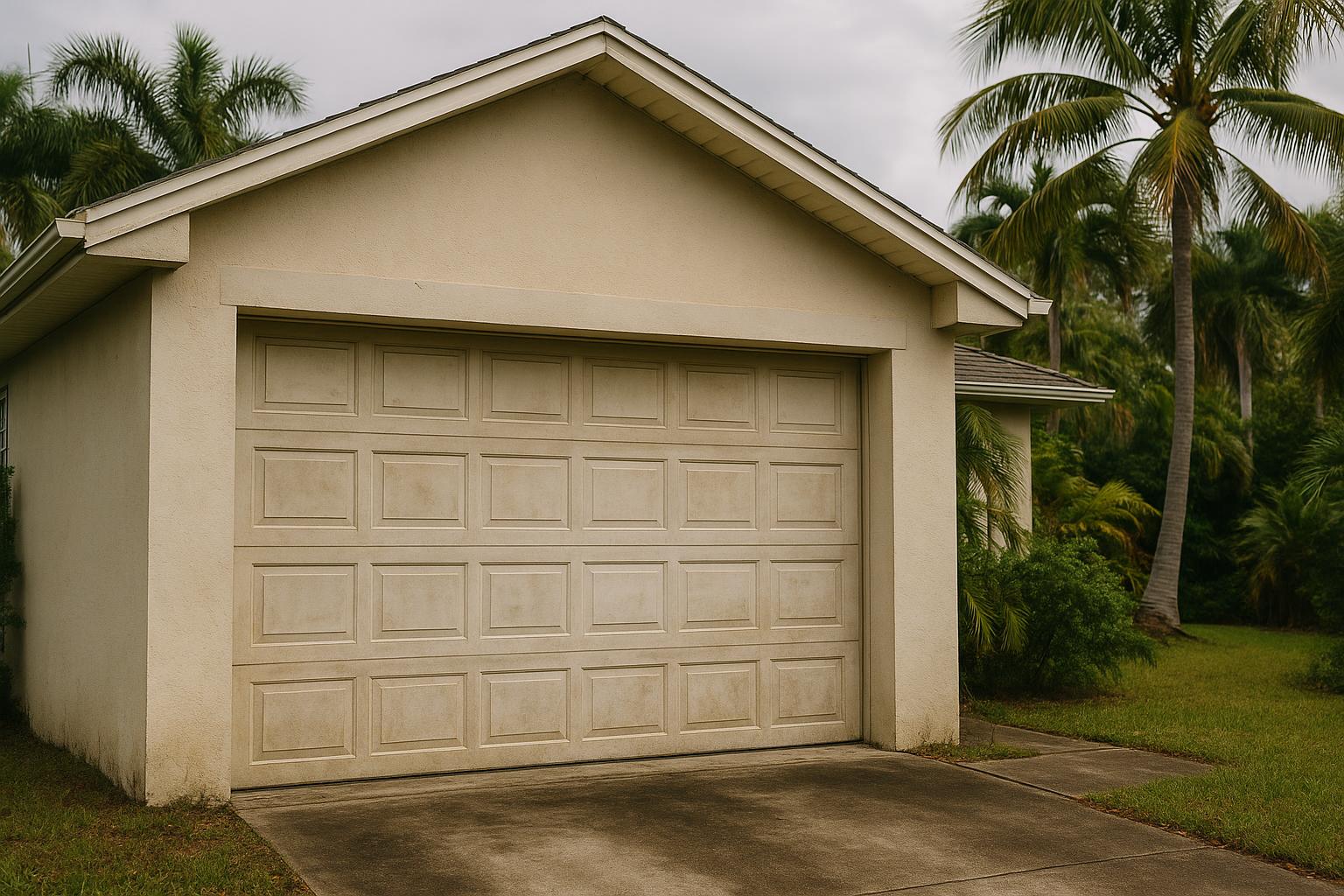
Your Garage Door's Biggest Enemy Might Be the Ocean Breeze
There's no denying that living in St. Augustine comes with incredible perks — beautiful beaches, historic charm, and year-round sunshine. But that coastal lifestyle also brings something less welcome: relentless humidity and salt-laden air that can wreak havoc on your garage door.
If you've noticed rust forming on your springs, corrosion on your tracks, or your garage door opener struggling more than usual, you're not alone. Coastal garage door damage is one of the most common issues we see at St. Augustine Overhead Door Co, and the good news is that most of it is preventable with the right knowledge and maintenance routine.
How Salt Air Damages Garage Door Components
Salt air is corrosive by nature. When airborne salt particles settle on metal surfaces, they accelerate oxidation — the chemical process that causes rust. For homeowners in St. Augustine Beach, Vilano Beach, and Ponte Vedra Beach, this process happens faster than you might expect.
Here are the garage door components most vulnerable to salt air corrosion:
- Torsion and extension springs: These are the workhorses of your garage door system. When rust weakens them, they're more likely to snap — which can be dangerous and expensive to repair.
- Tracks and rollers: Corroded tracks create friction, causing your door to stick, jerk, or go off-track entirely. Metal rollers are especially susceptible.
- Hinges and brackets: Rust on these smaller components may seem minor, but it compromises the structural integrity of the entire door system.
- Garage door opener chains and screws: The drive mechanism inside your opener can corrode over time, leading to noisy operation and eventual failure.
- Bottom seals and weatherstripping hardware: While the rubber itself doesn't rust, the metal retainers that hold it in place certainly can.
The Humidity Factor: It's Not Just About Salt
Even if you don't live directly on the beach, St. Augustine's subtropical climate means you're dealing with high humidity for much of the year. Average humidity levels here regularly exceed 75%, and during summer months, it can feel like the air itself is dripping.
Humidity affects your garage door in several ways:
- Accelerated rust formation: Moisture in the air speeds up corrosion on all metal parts, even those that aren't directly exposed to salt.
- Wood door swelling and warping: If you have a wooden garage door, humidity causes the wood to absorb moisture, leading to swelling, warping, and difficulty opening or closing.
- Electrical component damage: Your garage door opener's circuit board and wiring can suffer from prolonged moisture exposure, causing intermittent failures or complete breakdowns.
- Mold and mildew growth: The inside of your garage can become a breeding ground for mold, especially along the bottom seal and in corners where moisture collects.
Signs Your Garage Door Is Suffering from Coastal Damage
Catching problems early can save you hundreds — or even thousands — of dollars in repairs. Watch for these warning signs:
- Visible rust or orange discoloration on springs, tracks, hinges, or the door panels themselves.
- Squeaking, grinding, or scraping noises when the door opens or closes — this often indicates corroded rollers or tracks.
- The door feels heavier than usual or your opener seems to struggle. This could mean your springs are weakening due to rust.
- Uneven movement or the door getting stuck partway through its travel.
- Flaking paint or bubbling on steel door panels, which indicates rust forming beneath the surface.
- Your garage door opener works intermittently or the wall button and remote behave erratically.
How to Protect Your Garage Door from Coastal Elements
Prevention is always more affordable than repair. Here's what we recommend to our customers throughout St. Augustine and the surrounding areas:
1. Choose the Right Materials
If you're installing a new garage door or replacing an old one, material selection matters enormously in a coastal environment. Aluminum and fiberglass doors resist corrosion far better than untreated steel. If you prefer the look of steel, make sure it has a high-quality, factory-applied finish with rust-resistant coating. Vinyl doors are another excellent option for beachside homes.
2. Lubricate Moving Parts Regularly
Apply a silicone-based lubricant to your springs, rollers, hinges, and tracks every three to four months. This creates a protective barrier against moisture and salt while keeping everything operating smoothly. Avoid using WD-40 as a long-term lubricant — it's a solvent, not a protectant.
3. Rinse Your Door and Hardware
It sounds simple, but rinsing your garage door and its visible hardware with fresh water every few weeks can dramatically reduce salt buildup. This is especially important for homes in St. Augustine Beach and other areas within a mile or two of the ocean. A quick rinse with a garden hose takes five minutes and can add years to your door's lifespan.
4. Inspect and Touch Up Paint
Check your garage door panels for chips, scratches, or areas where paint is peeling. These exposed spots are where rust starts. Touch them up promptly with a rust-inhibiting primer and exterior paint matched to your door's color.
5. Schedule Professional Preventive Maintenance
A professional maintenance visit once or twice a year is the single best investment you can make in your garage door's longevity. During a maintenance appointment, we inspect every component, lubricate all moving parts, test the balance and safety features, tighten hardware, and identify small problems before they become big ones.
6. Upgrade to Nylon Rollers
If your door currently uses steel rollers, consider upgrading to nylon rollers. They don't rust, they're quieter, and they don't require as much lubrication. It's a relatively inexpensive upgrade that makes a significant difference in a coastal environment.
When to Call a Professional
Some garage door maintenance tasks are safe for homeowners to handle — rinsing the door, applying lubricant, and doing visual inspections. But other issues require professional attention:
- Spring replacement: Garage door springs are under extreme tension. A corroded spring that snaps can cause serious injury. Never attempt to replace springs yourself.
- Track realignment: If corrosion has caused your door to go off-track, forcing it back into position can cause further damage.
- Opener repair or replacement: Electrical components affected by moisture should be handled by a trained technician.
- Full door replacement: If corrosion damage is extensive, replacing the door with a material better suited to coastal conditions is often more cost-effective than repeated repairs.
Keep Your Garage Door Ready for Whatever the Coast Throws at It
Living near the coast in St. Augustine is a privilege, but it does require a little extra attention to your home's exterior components — especially your garage door. With regular maintenance, smart material choices, and prompt attention to early signs of damage, your garage door can look great and function reliably for years to come.
If you've noticed any signs of coastal wear on your garage door, or if it's been more than a year since your last professional inspection, give St. Augustine Overhead Door Co a call. We serve homeowners and businesses throughout St. Augustine, Ponte Vedra Beach, Hastings, Elkton, and all the surrounding communities. We'll assess your door's condition, recommend the right solutions, and help you protect your investment against the elements.