
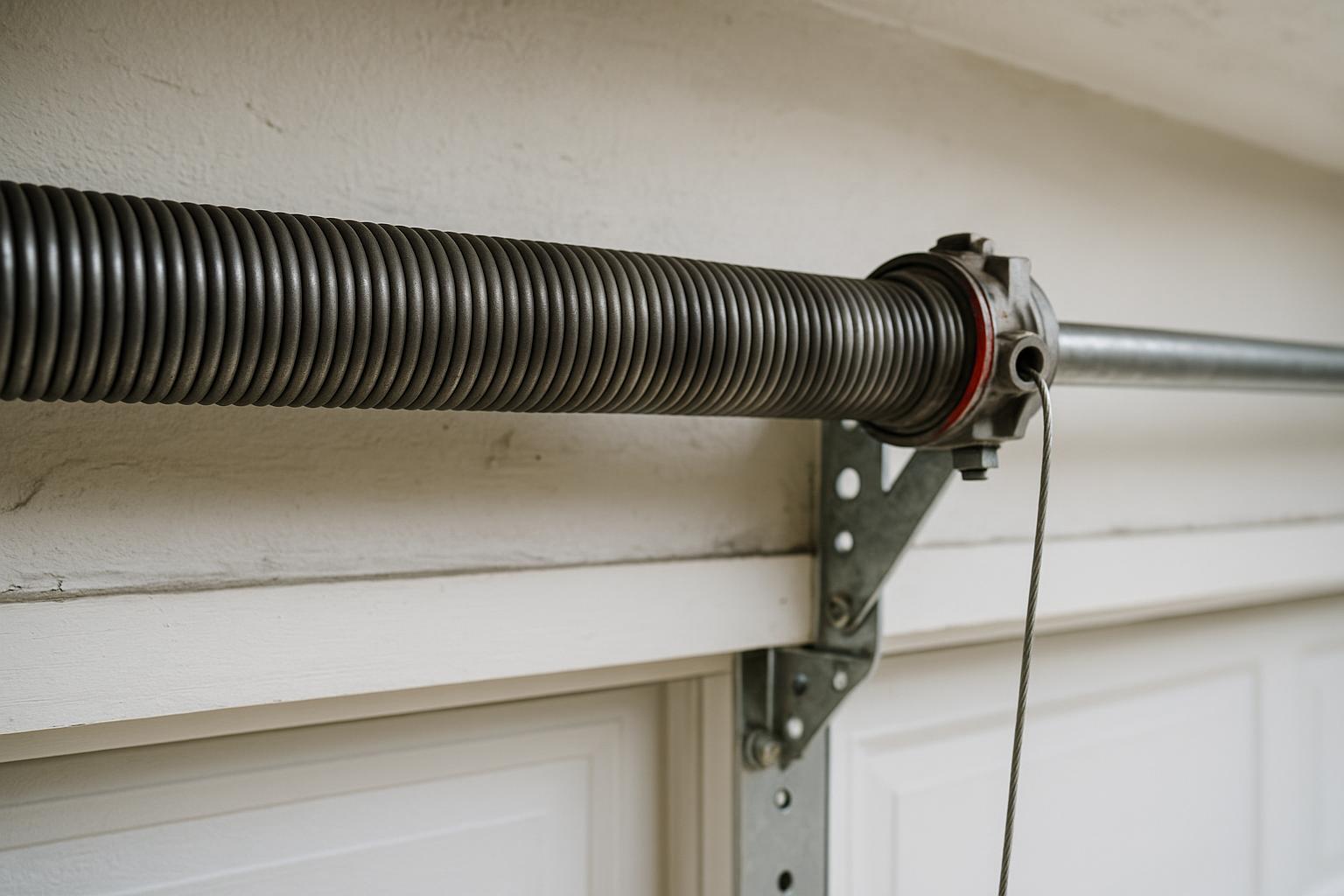
Your Garage Door Springs Are Working Harder Than You Think
Every time you open and close your garage door, the springs do the heavy lifting — literally. A standard two-car garage door can weigh between 150 and 250 pounds, and the springs are responsible for counterbalancing all of that weight. Most homeowners in St. Augustine use their garage door multiple times a day without giving those springs a second thought.
But springs have a limited lifespan. Most torsion springs are rated for about 10,000 cycles, which means roughly seven to ten years of normal use. When they start to wear out, ignoring the signs can lead to a door that won't open, property damage, or even serious injury.
Here are five warning signs that your garage door springs may need to be replaced — and what you should do about it.
1. Your Garage Door Feels Heavier Than Usual
One of the earliest signs of spring fatigue is a door that feels noticeably heavier when you try to lift it manually. If you disconnect your garage door opener and attempt to raise the door by hand, it should glide up relatively easily and stay open about three or four feet off the ground. If it feels like you're deadlifting at the gym, your springs are losing tension.
This is especially common in older homes throughout St. Augustine and Elkton, where original garage door hardware may not have been replaced in over a decade. A door that's too heavy for its springs puts enormous strain on your opener motor, which can burn out prematurely and leave you with two expensive repairs instead of one.
2. You Hear a Loud Bang From the Garage
If you've ever heard a sudden, loud bang coming from your garage — almost like a firecracker — there's a good chance a spring just snapped. When a torsion spring breaks, it unwinds rapidly and releases a tremendous amount of stored energy. The sound is unmistakable, and it often startles homeowners enough that they think something crashed or fell.
After a spring breaks, your garage door will likely be stuck in the closed position or will only open a few inches. Do not attempt to force the door open or try to replace the spring yourself. Garage door springs are under extreme tension and can cause severe injuries if handled improperly. This is always a job for a trained technician.
3. The Door Opens Unevenly or Crooked
Most garage doors use two springs — one on each side of the torsion bar. If one spring weakens or breaks while the other is still functional, the door will lift unevenly. You might notice one side rising faster than the other, or the door may appear crooked as it moves along the tracks.
An uneven door creates additional problems beyond just looking wrong. It puts stress on the tracks, rollers, and cables, which can cause those components to wear out faster. Homeowners in Ponte Vedra Beach and St. Augustine Beach sometimes attribute a crooked door to wind damage or track issues, but the springs are often the real culprit.
If your door is opening unevenly, it's worth having both springs inspected. Even if only one has failed, most professionals recommend replacing both at the same time since the second spring is likely close to the end of its lifespan as well.
4. Visible Gaps or Stretch Marks on the Springs
Take a moment to visually inspect your garage door springs from a safe distance. Healthy torsion springs are tightly wound with uniform coils. If you notice a visible gap in the coils — meaning the spring has separated or stretched — that's a clear sign of failure or imminent failure.
You might also notice rust on the springs, which is particularly common here in Northeast Florida. The humid, salt-laden air that rolls in from the coast accelerates corrosion on metal components. Rust weakens springs and reduces their cycle life significantly. If your springs look corroded or pitted, it's time to call a professional for an assessment, even if the door still seems to be working fine.
A Quick Visual Inspection Checklist
- Look for gaps or separations between coils
- Check for visible rust, pitting, or discoloration
- See if the springs appear stretched compared to each other
- Look for frayed or worn cables near the spring assembly
This simple check takes less than a minute and can help you catch a problem before it turns into an emergency.
5. Your Garage Door Opener Is Struggling
Your garage door opener is designed to work in partnership with properly functioning springs. When springs weaken, the opener has to compensate by working much harder to lift the door. You may notice the motor straining, running louder than usual, or taking longer to fully open the door.
Some modern openers have safety features that will prevent them from operating if the door is too heavy, which means a worn spring can effectively lock you out of your own garage. If your opener suddenly stops working and you've already checked the remote batteries and power supply, failing springs are a likely cause.
Residents in Vilano Beach and Hastings who rely on their garage as a primary entry point know how disruptive this can be, especially during Florida's unpredictable storm season when you need reliable access to your home.
Why You Should Never DIY a Spring Replacement
We understand the temptation. There are countless YouTube tutorials showing how to replace garage door springs, and the parts themselves aren't terribly expensive. But this is one home repair where the risk simply isn't worth it.
Garage door torsion springs store an enormous amount of mechanical energy. An improperly handled spring can cause broken bones, lacerations, or worse. Every year, emergency rooms across the country treat thousands of injuries related to garage door spring accidents. Professional technicians have the specialized tools, training, and experience to replace springs safely and correctly.
At St. Augustine Overhead Door Co, we carry a wide range of spring sizes on our service trucks so we can handle most replacements in a single visit. We also inspect the rest of your door system — cables, rollers, tracks, and opener — to make sure everything is working together properly.
How to Extend the Life of Your Garage Door Springs
While springs will eventually wear out no matter what, there are a few things you can do to get the most life out of them:
- Schedule annual maintenance. A professional tune-up includes lubrication, balance testing, and a thorough inspection of all hardware.
- Apply a silicone-based lubricant to the springs every few months to reduce friction and slow corrosion.
- Keep an eye on balance. Periodically disconnect the opener and test the door manually to make sure it moves smoothly and stays in place when partially open.
- Consider upgrading to high-cycle springs. If your household uses the garage door more than average, high-cycle springs rated for 25,000 or even 50,000 cycles can be a smart investment.
Don't Wait for a Spring to Snap
A broken garage door spring is one of the most common — and most preventable — garage door emergencies we see across St. Augustine and the surrounding communities. If you've noticed any of the warning signs above, don't wait until you're stuck with a door that won't open on a Monday morning.
Give St. Augustine Overhead Door Co a call. We'll inspect your springs, give you an honest assessment, and get your door back to working safely and smoothly. We show up on time, and we treat your home like our own — every single time.